Best place to sell second hand furniture in Australia
Facebook Marketplace, Gumtree, eBay, Etsy, Vinted, Gettit, Bazaa or Stuff Exchange? An honest guide to where to sell pre-loved furniture in Australia.
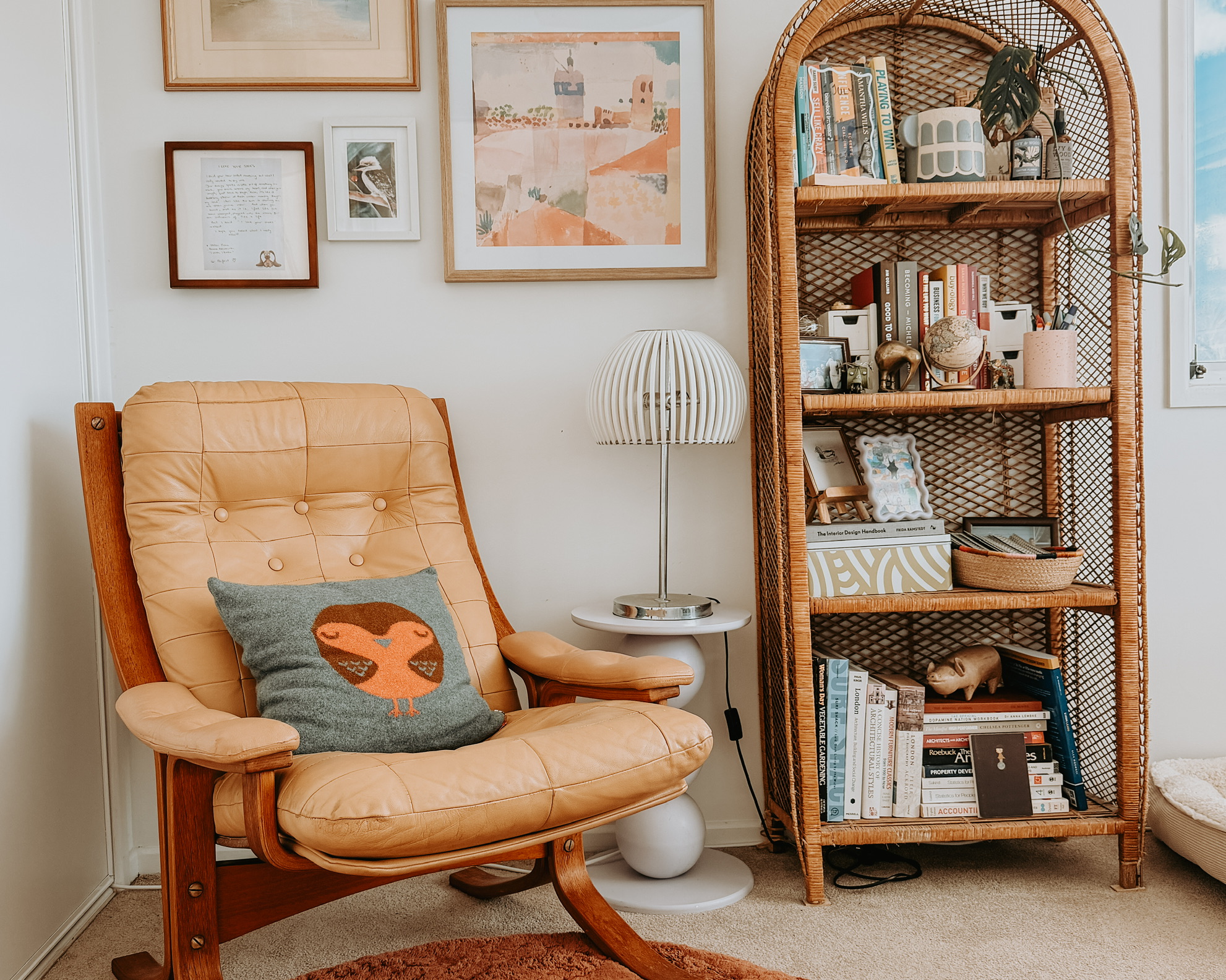
You've got good furniture. Now what?
Maybe you're downsizing. Maybe you've inherited a house full of pieces you can't keep. Maybe you just bought a new sofa and the old one deserves better than kerbside collection day.
Whatever the reason, selling furniture in Australia in 2026 is weirdly complicated. There are more options than ever, but none of them are great for everything. Here's an honest rundown of every major option, what each one is actually good for, and where each one falls short. Fees in this guide were checked on 5 October 2026.
Facebook Marketplace
Good for: everyday furniture you want gone quickly. Flat-pack, kids' furniture, basic homewares.
The good: It's free. The audience is massive. If you price it right, you can sell a couch in a day. Local pickup means no shipping hassle.
The not so good: There's no curation. Your carefully restored Parker sideboard sits next to a stained mattress. Buyers ghost, lowball, and send weird messages at midnight. There's no seller protection if something goes wrong during pickup. And Facebook's algorithm changes mean your listing might not even be shown to the right people.
Verdict: Fine for shifting everyday stuff fast. Not the place for anything you actually care about selling properly.

Gumtree
Good for: large items, local pickup, things that need to go this weekend.
The good: Established audience, especially in cities. Free basic listings. Search works well enough.
The not so good: It feels dated. The buyer pool has shrunk as people moved to Facebook Marketplace. Scam messages are constant. There's no quality control, no verification, and no buyer protection. Listing photos can be hit and miss.
Verdict: Still works, especially for big items. But it hasn't changed much in years.

Gettit
Good for: everyday homewares and nursery gear, if you'd like to sell for free with more protection than a cash handover.
The good: Free to list and sell. Buyers pay a small protection fee, and postage runs on prepaid Australia Post labels.
The not so good: It's a general marketplace covering everything from prams to power tools, so a good vintage piece sits alongside everything else, much like Facebook Marketplace. It's also new, so the buyer pool is still building. Postage is set up for parcels, which makes larger furniture a pickup job.
Verdict: A safer alternative to Facebook Marketplace for everyday stuff. No seller fees, the buyer pays instead. Not built specifically for vintage or design.
eBay Australia
Good for: collectibles, brand-name pieces, items where competitive bidding might push the price up.
The good: Buyer protection is solid. The auction format can get good prices for in-demand items. National reach.
The not so good: Furniture is awkward to ship, and eBay is built for things you can post. The audience skews toward bargain hunters, not design-conscious buyers. Fees aren't the problem they used to be... casual sellers now pay no selling fees on up to $25,000 of sales a year, and the buyer pays a small protection fee instead.
Verdict: Works for collectibles and smaller pieces. Not ideal for furniture unless you're comfortable with shipping logistics.
Etsy
Good for: small vintage and handmade pieces you can post, especially to buyers overseas.
The good: The audience was built around vintage and handmade. Global reach. The platform encourages storytelling and good photography.
The not so good: Etsy has struggled with mass-produced goods being passed off as handmade or vintage. In 2022 thousands of sellers went on strike over a fee rise, and over Etsy not doing enough about resellers. Then there are the fees... not gonna lie, they hurt our brain a little, so here's the short version. Expect to lose about 10% of a $100 sale to listing, transaction and payment fees, and the transaction fee comes off the postage too. If the buyer found you through one of Etsy's offsite ads, add another 15% on top. It's also built for posting, not local pickup.
Verdict: Still has a design-savvy audience, but the trust that made Etsy special is eroding. Not practical for furniture or large homewares in Australia, and increasingly hard for genuine sellers to stand out.
Vinted
Good for: newer homewares in good nick that post easily. Mugs, cushions, glassware, small kitchen bits.
The good: Zero selling fees, so what you sell for is what you keep. Buyers pay a protection fee of 5% plus 70c. You print a prepaid label, drop the parcel at Australia Post and you're done. It launched in Australia in July 2026 with a big, ready-made app audience.
The not so good: Vinted started as a clothing app and fashion is still its main event. The home section is mostly newer, everyday stuff, so a genuine vintage piece has to compete with kettles and chain-store glassware for attention. Everything has to go in a parcel, so furniture is out.
Verdict: A great home for newer small homewares. Genuine vintage tends to get lost in the scroll.
Consignment stores and antique dealers
Good for: high-value antiques, estate lots, pieces where you want someone else to handle the sale.
The good: They know the market, they have established buyers, and they handle pricing and selling for you.
The not so good: Commission rates are typically 40 to 60%. You lose control of pricing. Turnaround can be slow. Many dealers are selective and won't take everything.
Verdict: Worth it for genuinely valuable pieces or full estates. Not practical for most people.
Bazaa
Good for: designer, vintage and antique furniture, especially if you're a dealer and happy to ship across Australia.
The good: It's built for good furniture, not everything, with a strong range from professional dealers plus decor, lighting and art. National reach. No listing or subscription fees, and private sellers are welcome as well as dealers.
The not so good: Commission is steep for private sellers at 25% of the sale price. Professional sellers pay 15% plus a 1.5% payment fee. Buyers pay shipping on top at checkout, which adds up on big pieces, and your money is released within 7 days of the buyer confirming delivery.
Verdict: A solid choice for dealers and for quality pieces you're happy to ship. Private sellers should do the sums on that 25% first.
Stuff Exchange (yes, that's us!)
Stuff Exchange is an Aussie marketplace that only does vintage, handmade and secondhand furniture and homewares. Listings are reviewed before they go live, sellers are verified, and the seller is not paid until the buyer confirms they have the piece, or 2 days after handover. Listing is free. On the free plan you pay 10% commission only when something sells, plus card processing at cost (1.65% plus 30c). Regular sellers and shops can choose a monthly plan with a lower commission, down to 5%.
Best for (even if we do say so ourselves): vintage, handmade and good secondhand pieces. Furniture, homewares, lighting, collectibles, art.
The good: Built for the Australian market, with local pickup in mind. We only do vintage, handmade and secondhand, so buyers know exactly where to come for it. Buyer Protection on every listing. A built-in AI helper writes your description and researches a suggested price, and the photo tools remove the background and crop your shots for you. And the buyers here actually know what a Fler armchair is.
The not so good: It's new. The marketplace is growing, which means the buyer pool is still building. Most listings are local pickup around Brisbane for now, but integrated shipping is coming very soon. If you need to sell something this afternoon, Facebook Marketplace is faster.
Verdict: The best option for sellers who have good stuff and want to sell it properly, to buyers who'll appreciate it. Not the fastest option for everyday items.

So what should you actually do?
It depends on what you're selling.
• Everyday furniture (IKEA, basic homewares, kids' stuff): Facebook Marketplace or Gumtree. Price it right, sell it fast, move on.
• Newer homewares and small bits: Vinted, with no selling fees. If it's genuinely vintage, list it on Stuff Exchange, where buyers come looking for vintage and don't have to scroll past kettles and Kmart glassware to find it.
• Quality pre-loved and vintage pieces (Parker, mid-century, designer homewares, genuine antiques): Stuff Exchange (ahem). The audience is right, the platform is built for it, and your pieces won't be buried under junk.
• High-value antiques or full estates: Talk to a specialist dealer or auction house first. If their commission doesn't work for you, Stuff Exchange (also us) is the next best option.
• Dealers with lots of stock to ship nationally: Bazaa is worth a look alongside Stuff Exchange. Private sellers, check that 25% commission first.
• Small vintage items you can post nationally: Consider Etsy alongside Stuff Exchange if you want international reach, but be prepared for the fees and the reseller competition.
The honest truth is that most Australians with good stuff to sell end up on Facebook Marketplace by default, not because it's the best option but because they don't know there's an alternative. Now there is.
Where is the best place to sell vintage furniture?
Vintage sells best where buyers already know what they are looking at. On a general marketplace, a 1960s teak sideboard sits next to flat-pack and gets judged on price alone. On Stuff Exchange, buyers search by maker, era and material, and they come looking for good pieces. Free to list. You only pay a small commission when something sells.
How do I know if my vintage furniture is worth anything?
Start with the maker. Look underneath, inside drawers and on the back for a label, stamp or brand name. Buyers search for makers like Parker and Fler by name, so a named piece is easier to find and easier to sell.
Then look at what similar pieces have actually sold for, not what they are listed at. Sold prices at auction houses and on marketplaces are the honest guide. Condition counts too: original finish, sound joints and drawers that run smoothly all add value.
For anything you think could be valuable, ask an auction house or specialist dealer for a valuation before you set your price.
Who buys secondhand furniture in Australia?
Everyday buyers browse Facebook Marketplace and Gumtree. Dealers and auction houses buy antiques outright, usually at trade prices. And on Stuff Exchange, collectors and vintage lovers come looking for good pieces by name: Parker, Fler, mid-century, the lot.
Where can I sell furniture for cash near me?
Facebook Marketplace and Gumtree are the classic cash-on-pickup options. Stuff Exchange is local pickup too, but the buyer pays through the site first, and the money goes into your own Stripe account. It pays out when the buyer confirms they have the piece, or 2 days after handover, so nobody's counting twenties in the driveway.
What about antiques or a deceased estate?
For a whole estate, talk to an auction house or specialist dealer first. They handle everything, and that service costs 40 to 60% commission. For individual pieces worth selling properly, listing them yourself on Stuff Exchange (last plug, promise) keeps the price yours.